


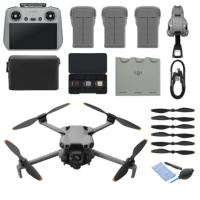


ND Filter
With an ND filter (grey filter) you can develop sharp and colourful photos over a changing period of time with a long shutter speed and large aperture.
1027
Search results
Sort by:
Popularity
Popularity
Price low - high
Price high - low
["12520413","12273051","12261625","12522420","12207433","12207432","12553087","12391538","12526576","12428692","12207395","12207392","122071323","122071318","12434380","12210740","12210727","12549545"]
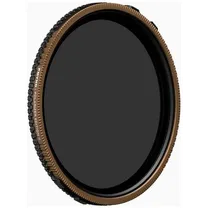
PolarPro Chroma VND 82mm PL 2-5 stops Peter McKinnon series
In stock
List price €363.00
€ 259. 00
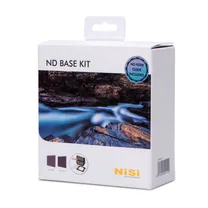
NiSi ND Base Kit 100mm
In stock
€ 199. 00
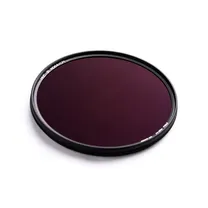
NiSi Pro nano IR ND64+CPL 67mm
In stock
€ 98. 00

NiSi Star Soft Filter 100x150
In stock
€ 149. 00

Lee SW150 Little Stopper
In stock
€ 167. 70

Lee SW150 Big Stopper
In stock
€ 167. 70
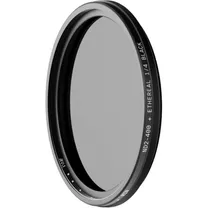
Urth 95mm Variable ND2-400 + 1/4 Black Mist Filter Plus+
In stock
€ 135. 00

B.I.G. Vario ND filter, 55mm, PRO-EDITION SMCW
In stock
€ 74. 99
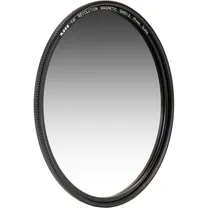
Kase Revolution Soft GND 1.2 77mm
In stock
€ 109. 00
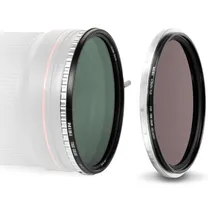
NiSi Swift VND Kit 95mm
In stock
List price €349.90
€ 249. 00

LEE ND 0.6 Hard Edge Grad Filter 100x150
In stock
€ 126. 10

LEE ND 0.6 Soft Edge Grad Filter 100x150
In stock
€ 126. 10

Lee 100mm 0.6ND Grad Medium
In stock
€ 126. 10

LEE ND Standard 0.9
In stock
€ 126. 10

Hoya 55 MM HD MkII IRND1000 (3.0)
In stock
€ 45. 00
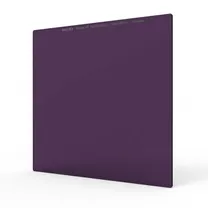
NiSi Nano iRND1000 (3,0)100x100mm 10 Stop Gray Filter
In stock
€ 109. 00
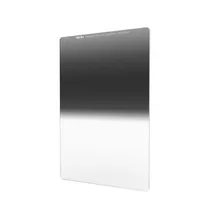
NiSi Reverse Nano iR GND8 (0.9) 100x150mm 3 Stop Neutral Density Filter
In stock
€ 109. 00

SmallRig 5225 Magnetic VND Filter ND2 - ND32 for FUJIFILM X half, black OUTLET
In stock
List price €45.90
€ 41. 90
Popularity
Price low - high
Price high - low
What is an ND filter?
An ND filter, or Neutral Density, ensures that the exposure of a shot is weakened over the entire image surface. The filter is often colourless or grey and can therefore handle shots over a longer period of time, without the photo becoming overexposed. The applications of an ND filter vary widely, but in landscape photography with a long shutter speed and city photography with a lot of light, the results are very effective. Lee, Hoya and B+W offer a variety of filters in this range.
Capturing movement
A common problem when capturing running water or moving people is that by using a long shutter speed, the photo becomes overexposed. A big advantage of working with an ND filter on your lens is that the light is toned down by the neutral action, without affecting the colours in the image. This allows you to create beautiful pictures of movement in waterfalls, traffic on the road or crowds.
Limited depth of field
In addition to the application of an ND filter when playing with the shutter speed of your camera, it can also be used to shoot with a wide open aperture in a high-light environment. This creates a low depth of field, which increases the difference in objects on the foreground and background. This allows you to disconnect the object from the background, and achieve greater emphasis.
Number of stops
ND filters can be classified in the amount of stops. With a stopper, it is possible to halve or double the light, which in turn has an effect on the aperture, shutter speed and ISO value. With more stops the frame can be illuminated for longer, so you can shoot with longer shutter speeds.
Manual focus
When working with an ND filter on your lens, it is necessary to proceed manually, as the autofocus function has more difficulty in getting the light measurement in order. In autofocus mode, the photos often turn out darker than desired. Manually, you can determine the settings yourself and achieve the effect you have in mind.
Stabilise the image
Image stabilisation determines the result of the photo if you work with a long shutter speed. It is therefore necessary to be able to stabilise the image properly, many cameras fortunately already offer some support in this. In addition, the use of a tripod is not an unnecessary luxury. If you work with a heavy camera and lens, for example, a tripod can certainly offer a lot of support. Every vibration or movement affects the result of a recording of a few seconds.
Working with a filter holder and adapter ring
In addition to threaded models to tighten on your camera's lens, many ND filters use attachment to a filter holder and adapter ring. You can purchase it separately and attach it to your lens. The advantage of this is that multiple filters can be attached to it.